
Preserving Punk in Southern California
July 24, 2026
Through fieldwork in Southern California, music doctoral student Michael Millenheft is examining how history and everyday practices continue to define contemporary punk communities across Southern California.
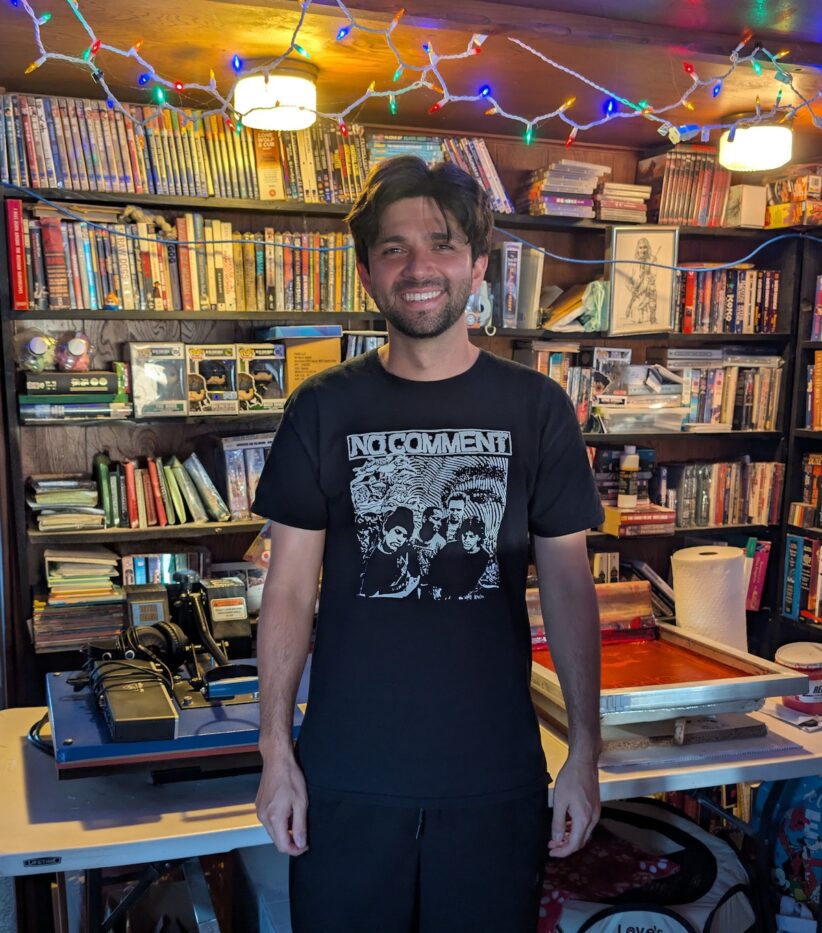
Describe the location of your field research.
My fieldwork takes place primarily in Ventura and Los Angeles counties. I move between a variety of sites, including concerts, DIY media workshops, interview spaces, and the UCLA Library Special Collections. Together, these settings provide a window into the histories and everyday practices that shape contemporary punk communities.
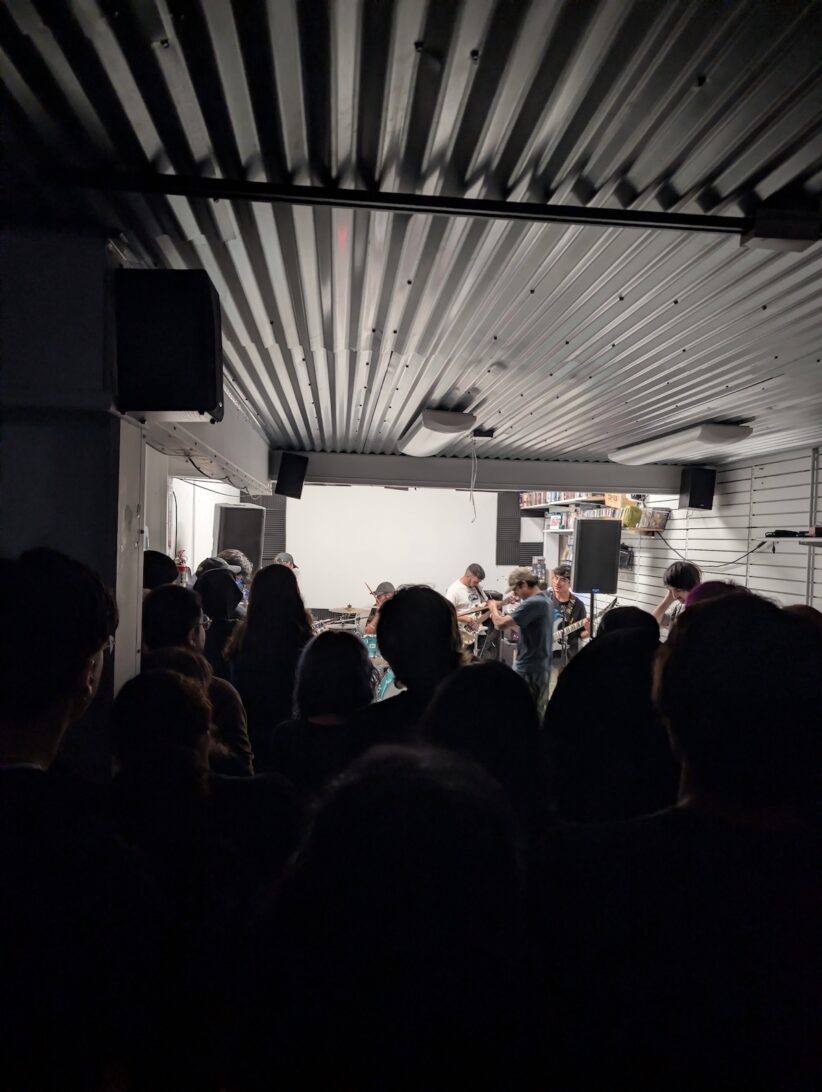
What’s the focus of your research?
My research examines powerviolence, a style of hardcore punk, and the role of noise in contemporary music cultures. Through the study of performance, recording, and DIY media, I investigate how musicians and participants create communities and imagine alternative ways of making and sharing music.
What do you hope will be the impact of this work?
Drawing on my experience in hardcore punk since 2011, I hope this project will help document and preserve an underexamined musical tradition. By providing new ways of understanding powerviolence, I hope to create resources for scene participants and scholars alike while highlighting the cultural significance of these communities for diverse participants and local histories.
How will field research advance your understanding of your research in a way that classes and/or theory do not?
Because there is very little existing scholarship on powerviolence, fieldwork is essential to my project. Participant observation and archival research allow me to document histories and practices that are largely absent from published sources. Spending time with musicians and community members provides perspectives that cannot be gained through coursework alone.
What has surprised you about your experience?
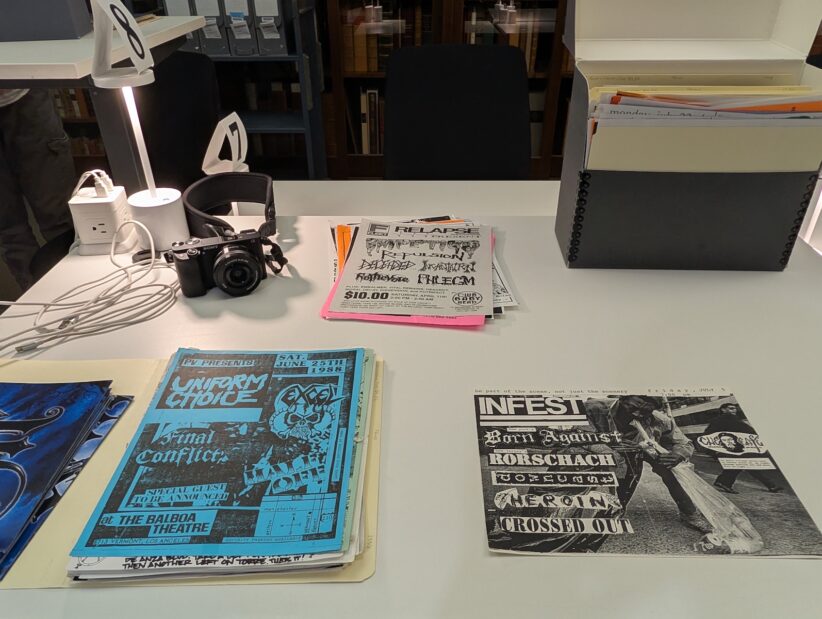
I have been surprised by how interconnected the history of powerviolence is. Archival materials reveal longstanding relationships between West Coast powerviolence and Japanese hardcore punk and noise scenes, alongside connections to metal, grindcore, and fastcore. I have also been struck by the enthusiasm and generosity of local participants, many of whom are eager to share their experiences and preserve these histories.
How did Cornell programs and/or faculty mentors help connect you with the opportunity to carry out this research?
My committee and faculty mentors have encouraged me to pursue an unconventional topic and have given me the freedom to shape the project according to my own experiences and interests. Support from Cornell’s Graduate School made it possible to travel and conduct research that would otherwise have been difficult to undertake.
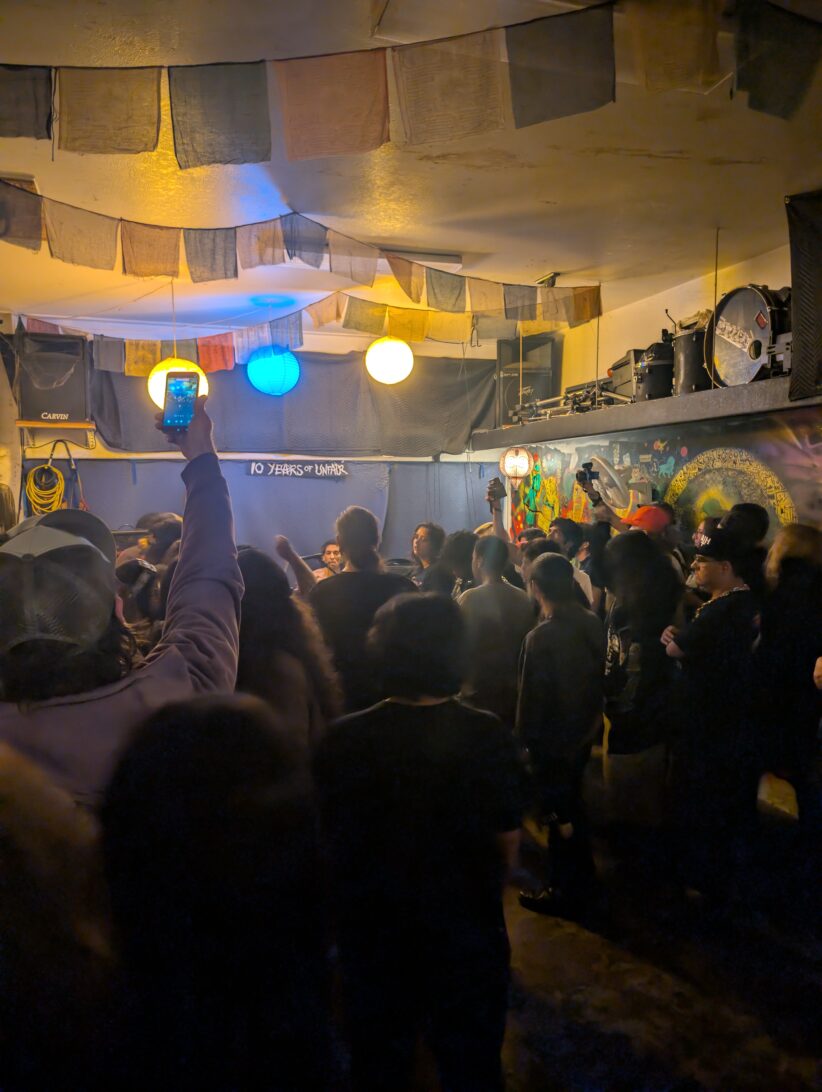
What would you say to students considering applying to Cornell for grad school?
I would encourage students to pursue the questions they are most passionate about, even when there is little existing scholarship to guide them. Some of the most exciting discoveries emerge from overlooked subjects. At Cornell, I have found mentors who support ambitious and unconventional ideas and who have shown me that original research can help create knowledge for future generations.
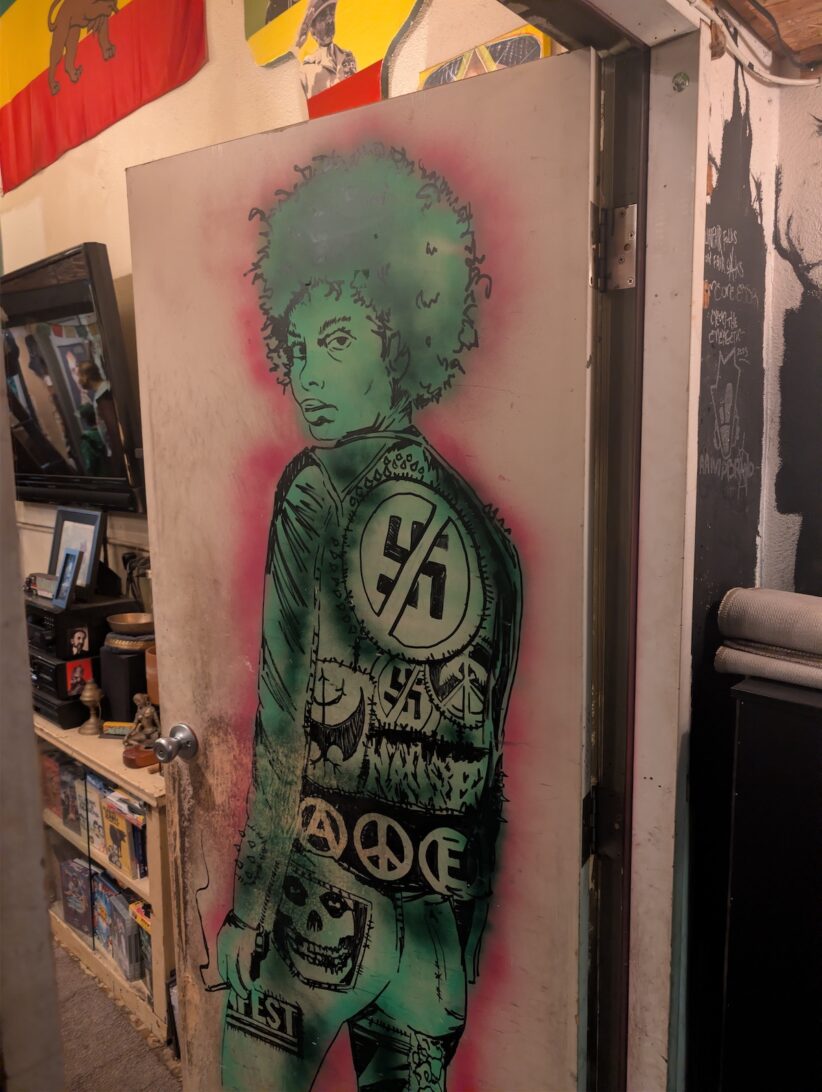
Photo Captions
Photo one: Michael Millenheft at a fieldsite, where he interviewed individuals from a local punk DIY label in front of the screenprinting materials they used to make shirts and patches
Photo two: A show at the Mystery Shop
Photo three: Millenheft’s work station at UCLA
Photo four: A show at Unfair Oaks
Photo five: Artwork at Unfair Oaks