War and Peace: Understanding Uneven Peace Agreement Outcomes Across Colombia
August 14, 2026
City and regional planning doctoral candidate Sebastian Restrepo is focused on understanding why the 2016 Colombian Peace Agreement had different outcomes in different regions.
Describe the location of your field research.
My field research takes place across several regions of Colombia, including Córdoba, Valle del Cauca, Putumayo, and potentially Norte de Santander and Magdalena Medio. These territories were selected because they represent diverse experiences with the implementation of the 2016 Colombian Peace Agreement, including variation in conflict dynamics, rural development, state capacity, territorial governance, and relationships between national and local institutions.
What’s the focus of your research?
My research examines why the implementation of the 2016 Colombian Peace Agreement has produced uneven outcomes across territories. I focus on how multilevel governance (the interaction between national, regional, and local actors) shapes the implementation of rural development policies, peacebuilding initiatives, and territorial transformation efforts in post-conflict settings.
What do you hope will be the impact of this work?
I hope this research will contribute to both academic debates and public policy discussions about peacebuilding and governance. By identifying the institutional and territorial factors that facilitate or hinder implementation, the project seeks to generate practical lessons for improving peace agreement implementation in Colombia and other post-conflict contexts around the world.
How will field research advance your understanding of your research in a way that classes and/or theory do not?
Field research allows me to observe how policies are implemented in practice and how local actors experience decisions made at the national level. While theory helps explain institutional dynamics, interviews and territorial observation provide insights into informal relationships, local constraints, and governance mechanisms that are difficult to capture through documents or datasets.
What has surprised you about your experience?
One of the most surprising aspects has been how differently the same national policies are experienced across territories. Although implementation is often discussed from a national perspective, local actors consistently highlight how geography, institutional capacity, security conditions, and historical trajectories shape very different outcomes on the ground.
How did Cornell programs and/or faculty mentors help connect you with the opportunity to carry out this research?
Cornell has provided both intellectual and financial support for this research. Faculty mentors helped refine the research design and connect my interests in governance, planning, and peacebuilding. In addition, support from the Graduate School, the Einaudi Center, and the Clarence S. Stein Institute made it possible to conduct extensive fieldwork across multiple regions of Colombia.
What would you say to students considering applying to Cornell for grad school?
Cornell offers an exceptional environment for graduate research because it combines rigorous academic training with strong support for independent scholarship. Faculty are deeply engaged with students’ work, and there are many opportunities to secure funding, build interdisciplinary collaborations, and conduct ambitious field research. For students interested in addressing real-world problems through research, Cornell provides outstanding resources and mentorship.
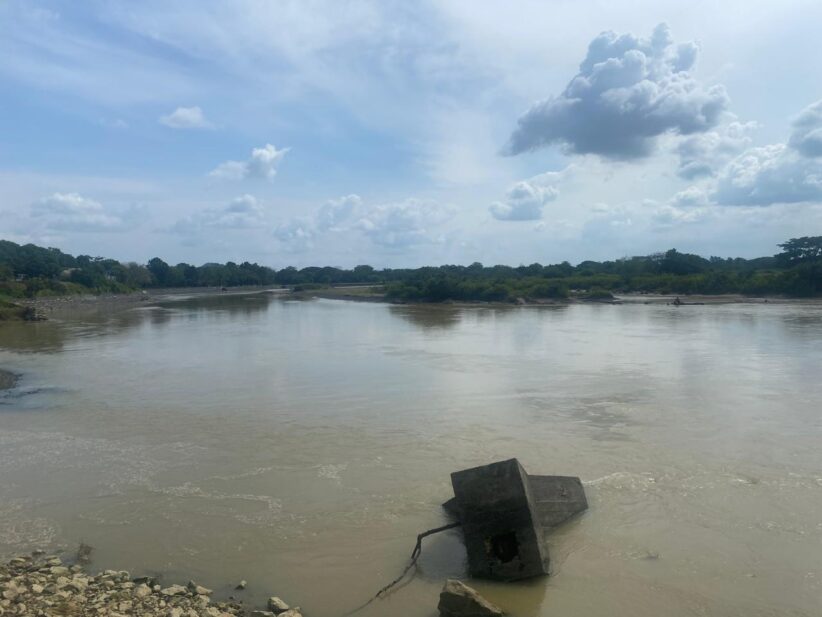
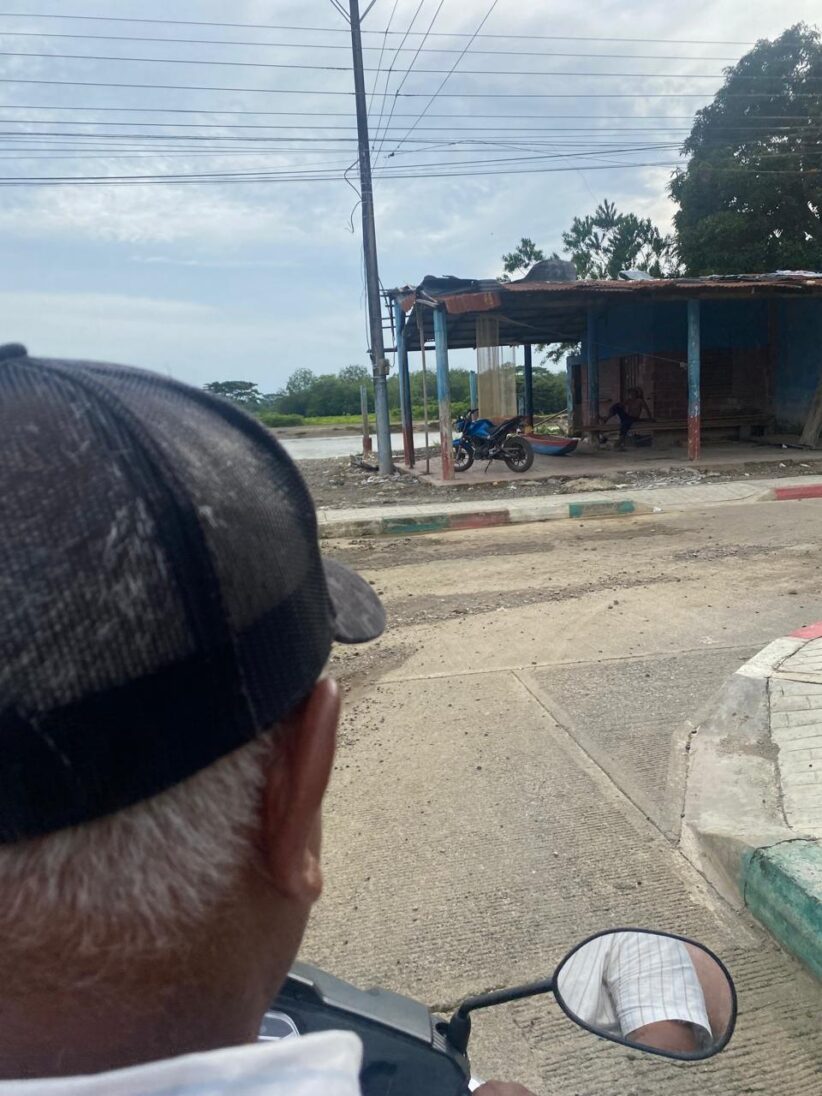
Tierralta is part of a region deeply affected by Colombia’s armed conflict and now central to the country’s territorial peacebuilding efforts.
Restrepo’s interviews there highlighted both the importance of bringing the state closer to historically underserved rural communities and the difficulties local institutions face in coordinating the many policies and actors involved in implementing peace.
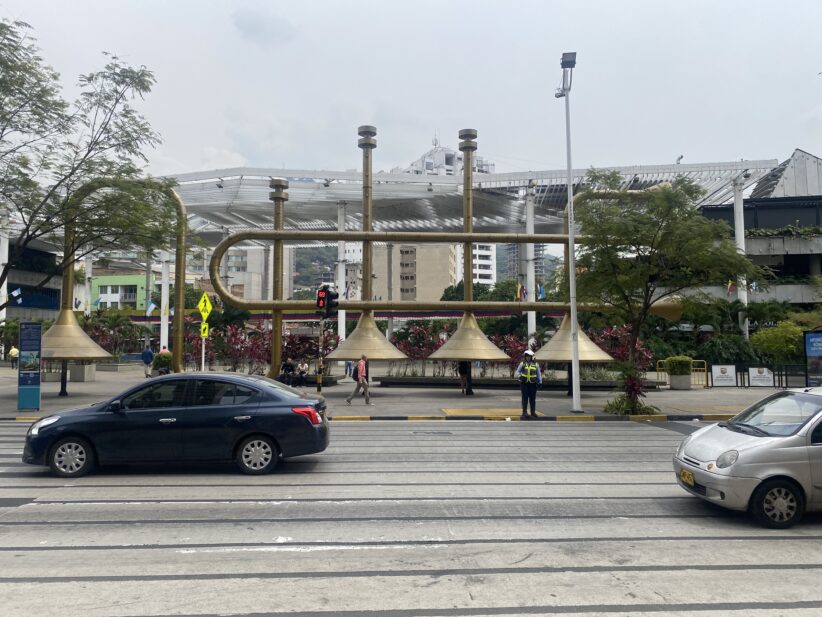
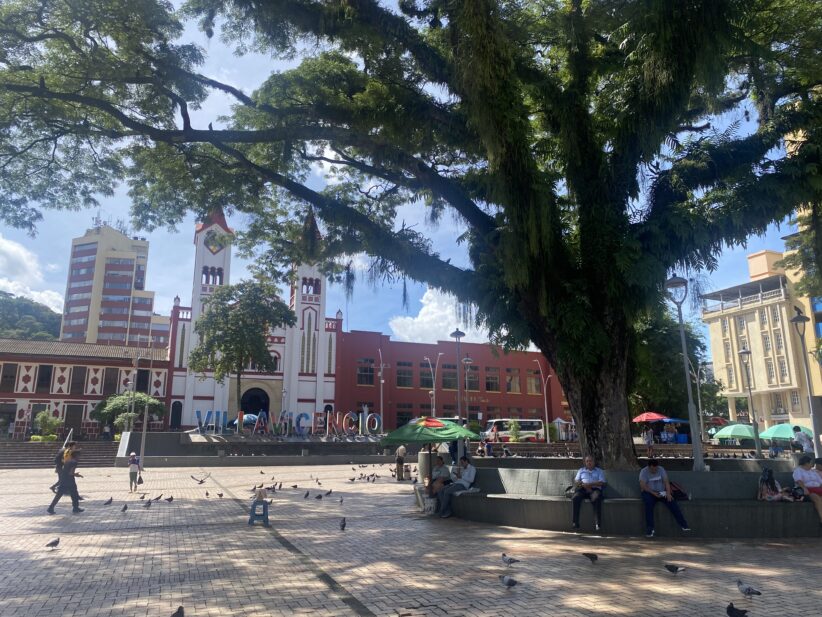
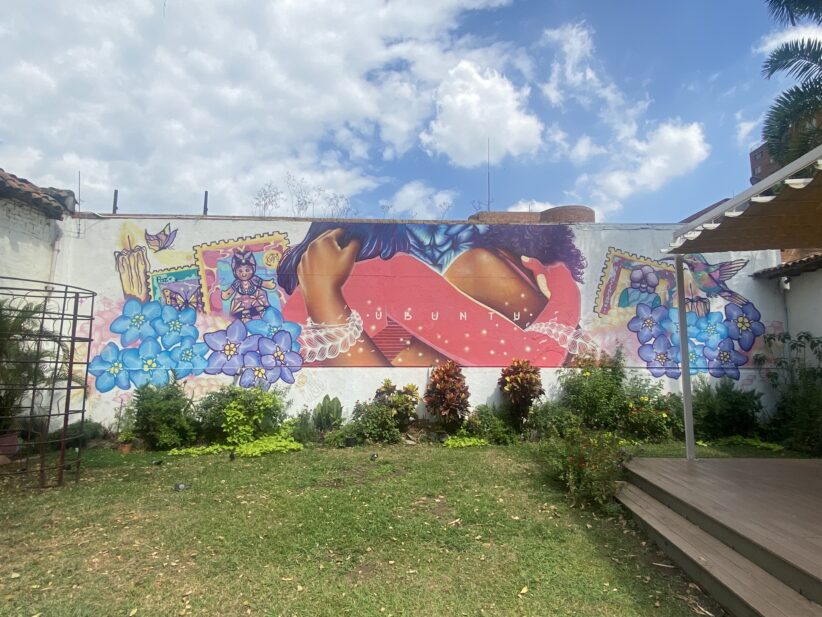
Cali offered a different perspective on territorial peacebuilding: that of a major city connected economically, institutionally, and socially to conflict-affected areas of southwestern Colombia.
Restrepo’s conversations there helped him think about peace implementation not only as a rural challenge, but as a process involving relationships among cities, surrounding territories, and different levels of government.
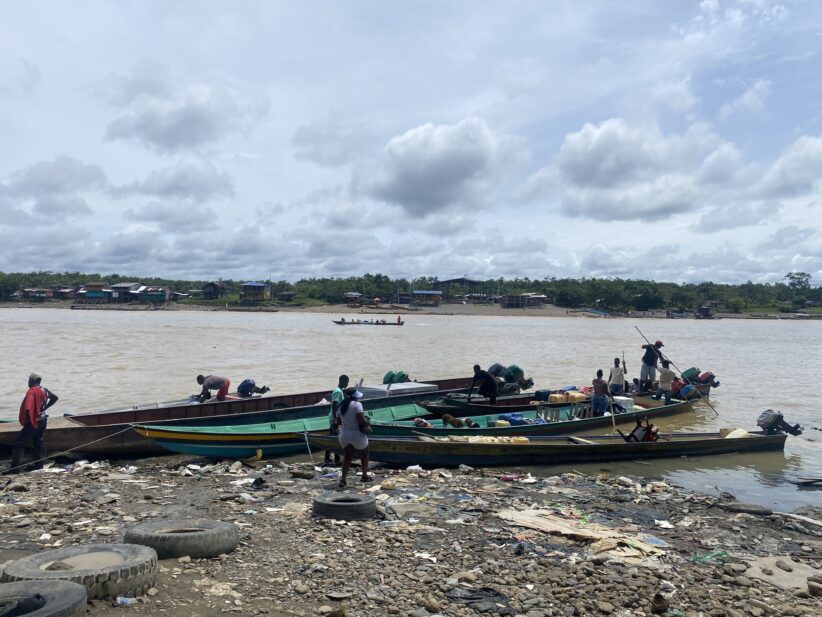
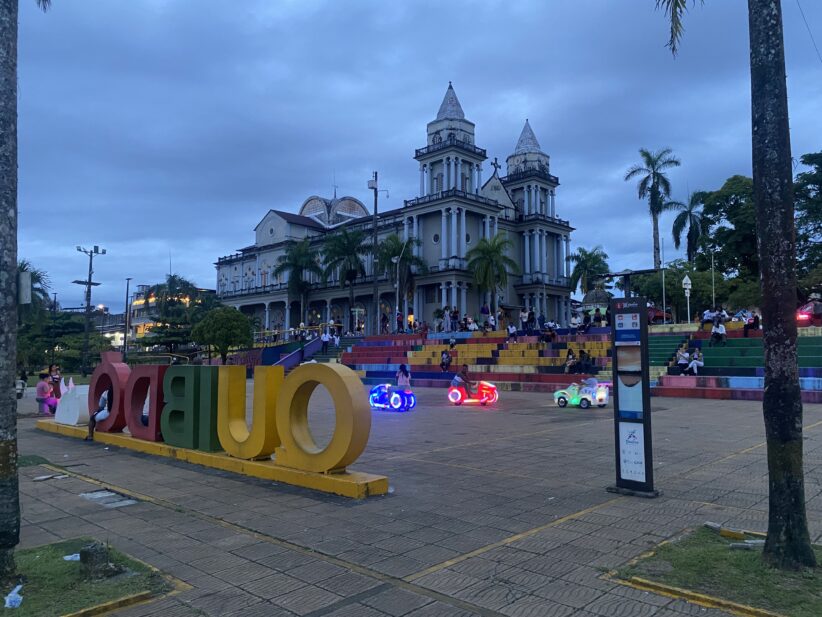
In Quibdó, the river is not simply part of the landscape; it is fundamental to how communities and territories are connected.
Restrepo’s visit reinforced the importance of understanding peace implementation through the geography and everyday realities of places that can be very different from the administrative maps through which national policies are designed.